What Are the Top Shower Room Manufacturers in China?
China has become a major production center for shower room products, serving residential, hotel, and commercial projects worldwide. Its manufacturers offer framed enclosures, frameless glass systems, walk-in designs, and customized bathroom solutions. However, identifying the top shower room manufacturers requires more than comparing attractive catalogs or low prices.
A reliable evaluation should examine factory experience, glass processing, hardware quality, safety testing, and production consistency. It should also consider certifications, export records, installation support, and communication during sampling. In a well-managed factory, details are visible: polished aluminum edges, stable hinges, accurate drilling, sealed packaging, and clear inspection records. These small points often reveal more than promotional claims.
This guide reviews leading Chinese manufacturers through practical sourcing criteria and industry experience. It considers product range, customization ability, manufacturing capacity, quality control, and suitability for different markets. Rankings can change. Buyer requirements differ. A hotel developer may value large-volume delivery, while a home renovator may focus on design flexibility and after-sales service. Some supplier information may also require direct verification, because online presentations are not always complete. Careful buyers should request samples, review technical documents, and confirm current certifications before placing an order. The strongest manufacturer is not always the cheapest one; it is the partner that delivers safe, consistent, and clearly specified products over time.
What Defines a Leading Shower Room Manufacturer in China?
What Defines a Leading Shower Room Manufacturer in China?
A leading shower room manufacturer combines practical experience with controlled production. Years in the field should appear in details, not only in company profiles. Precise glass measurements, smooth door movement, and stable hardware reveal manufacturing discipline. Experienced teams also understand different bathroom layouts, climates, and installation habits. A small tolerance error can cause leakage or difficult assembly.
Reliable manufacturers use tested materials and documented quality procedures. Tempered glass should meet recognized safety requirements, while seals must resist repeated exposure to water and cleaning chemicals. Production teams should inspect cutting, edging, coating, and packaging stages. Factory audits, sample testing, and traceable batch records offer stronger evidence than attractive photographs. Clear technical drawings also reduce misunderstandings between buyers, installers, and engineers.
Communication matters just as much. A dependable supplier explains lead times, replacement parts, warranty limits, and installation conditions before receiving an order. Custom sizes are useful, but they can increase risk when drawings are incomplete. No factory gets every detail right. That admission matters. Manufacturers willing to record complaints and improve designs often build greater trust over time. Feedback from installers can reveal problems that laboratory tests miss, such as awkward adjustment or damaged packaging. A truly capable manufacturer keeps learning, even when its production line appears efficient.
Key Factors for Evaluating Chinese Shower Room Manufacturers
What Are the Top Shower Room Manufacturers in China?
Key Factors for Evaluating Chinese Shower Room Manufacturers
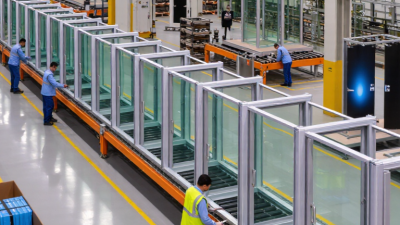
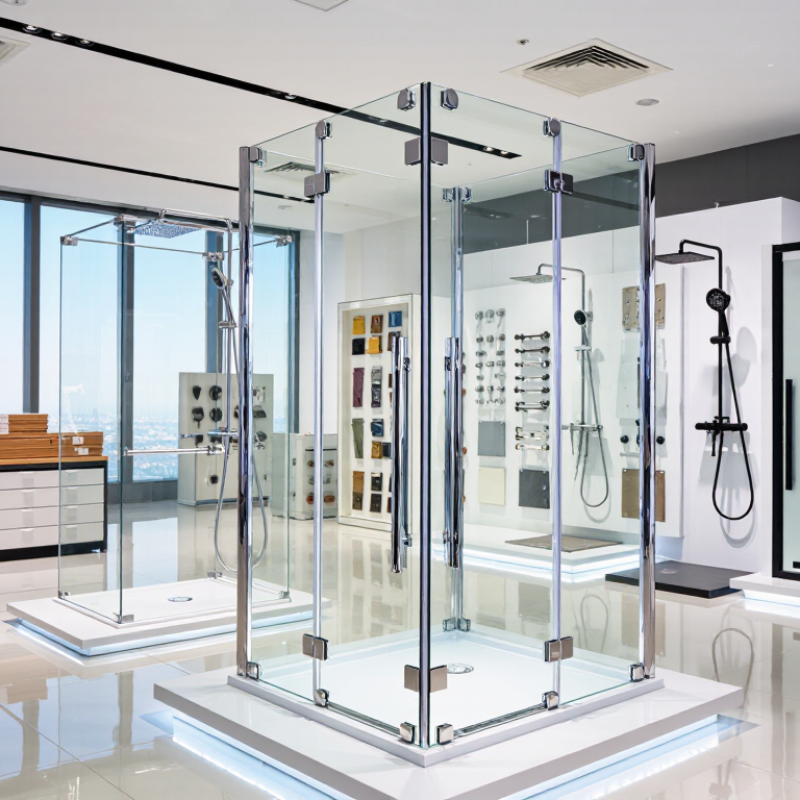
A polished showroom does not prove reliable production. During supplier evaluations, inspect the factory floor, not only the display area. Check whether glass panels are handled with protective separators and whether hardware is stored in dry, organized conditions. Tempered glass should have clear inspection records, consistent thickness, and smooth edge finishing. Ask for test reports from recognized laboratories, then verify their dates and product details.
Production control matters just as much. A dependable manufacturer should explain its cutting, drilling, assembly, and leak-testing procedures in practical language. Request a sample unit before placing a large order. Measure door alignment, roller movement, seal compression, and drainage performance. Small gaps often become expensive complaints after installation. Factory photos are useful, but live video inspections reveal more.
Communication is another serious factor. Strong suppliers provide accurate drawings, packing lists, installation guides, and replacement-part information. Evaluate how quickly they answer technical questions, not just sales inquiries. Export experience can indicate better documentation, but it is not automatic proof of quality. I have seen attractive samples differ slightly from mass-produced units. That weakness deserves attention. Use written specifications, approved samples, and staged inspections to reduce surprises. Pricing should include packaging strength, shipping protection, quality checks, and after-sales support—not only the unit cost.
Major Types of Shower Room Manufacturers in China
China’s shower room manufacturers generally fall into four practical groups. OEM factories produce established designs for importers and retailers. ODM manufacturers modify existing cabins, doors, and tray systems for different markets. Custom engineering factories develop unusual sizes, curved glass, or hotel-specific layouts. Project-oriented suppliers handle larger orders for apartments, resorts, and commercial buildings.
Each type serves a different purchasing need. OEM production often offers stable pricing and repeatable dimensions. ODM teams can adjust finishes, hardware, packaging, and installation instructions. Custom factories usually provide stronger technical support, but their tooling costs may be higher. Project suppliers coordinate drawings, site measurements, and phased delivery. Their value depends on communication, not only factory size.
Reliable manufacturers should explain glass thickness, frame materials, drainage design, and door-load testing. They should provide traceable inspection records and clear packaging details. Buyers should request sample units before approving mass production. A polished showroom can mislead. Actual factory conditions matter more. Look for controlled cutting areas, clean assembly stations, and documented quality checks. Some factories still depend heavily on manual inspection, which can create uneven gaps or scratched profiles. That weakness deserves attention. Independent audits, production samples, and pre-shipment inspections can reduce these risks. Even a small measurement error may cause installation problems on site.
How Chinese Shower Room Manufacturers Compare
Chinese shower room manufacturers compete through scale, customization, and export experience. The 2024 ISO Survey identifies China as the largest holder of ISO 9001 certificates worldwide, showing broad quality-management capacity. Certification alone proves little, however. Buyers should verify inspection records, glass standards, hardware testing, and corrective-action procedures.
Quality Management Matters
Certification can indicate production-system maturity, but buyers should confirm how quality controls are applied in daily manufacturing and inspection processes.
Production depth is another clear difference. Many Chinese factories can combine tempered glass, aluminum profiles, stainless-steel fittings, and packaging under one supply chain. This can reduce coordination costs and support customized dimensions for hotels, apartments, and retail projects. The advantage is practical. Yet quality may vary between production lines, even within one facility. Samples must match mass-production specifications, not just showroom displays.
Integrated Supply Chain
Tempered glass, aluminum profiles, stainless-steel fittings, and packaging can be coordinated through one supply chain.
Customization Capability
Customized dimensions can support hotel, apartment, and retail projects.
Production Consistency
Samples should match mass-production specifications rather than only showroom displays.
Logistics also influence the comparison. The World Bank’s 2023 Logistics Performance Index gave China a score of 3.7 out of 5, ranking it 19th among 139 economies. That supports dependable export infrastructure, but shipping performance still depends on port selection, packaging strength, and documentation accuracy.
Factory Evaluation Checklist
- Water-seal testing
- Door alignment
- Replacement-part policies
- Response times
In factory evaluations, I would compare water-seal testing, door alignment, replacement-part policies, and response times. A lower quotation can hide weaker after-sales support. This remains an overlooked risk. Chinese manufacturers are often strong at speed and customization, but buyers should demand measurable evidence before judging overall value.