What Are the Top Types of Bathroom Faucets?
Bathroom faucets do more than deliver water. They shape the sink’s appearance, affect daily comfort, and can make cleaning easier or harder. The right choice depends on the basin, existing plumbing, water pressure, and how the room is used. A faucet bathroom upgrade may look simple, but a mismatch between faucet reach and basin depth can leave water splashing across the counter.
The main types include single-handle, centerset, widespread, wall-mounted, vessel, and touchless faucets. Each suits different layouts. A centerset model often works well with a compact sink and three pre-drilled holes. Widespread faucets offer more spacing between handles, while wall-mounted styles need compatible plumbing inside the wall. Vessel faucets stand taller above the counter. Touchless models can reduce contact, though batteries or sensors add maintenance. Small details matter.
Plumbing specialist Richard Trethewey, known for his work on This Old House, is a useful professional reference for practical plumbing choices. Rather than inventing a direct quotation, this guide uses a clearly labeled editorial takeaway inspired by fit-first plumbing advice: “Match the faucet to the sink, the plumbing, and the people using it.” That is a paraphrase, not a verified verbatim quote. It is worth saying so. Even a well-reviewed faucet can disappoint if its spout misses the drain or its handle hits a backsplash. In the sections ahead, we compare each type by installation needs, everyday use, and design fit. The best option is not always the most expensive one. Sometimes, the practical choice is less exciting—and more reliable.
How Bathroom Faucets Are Classified
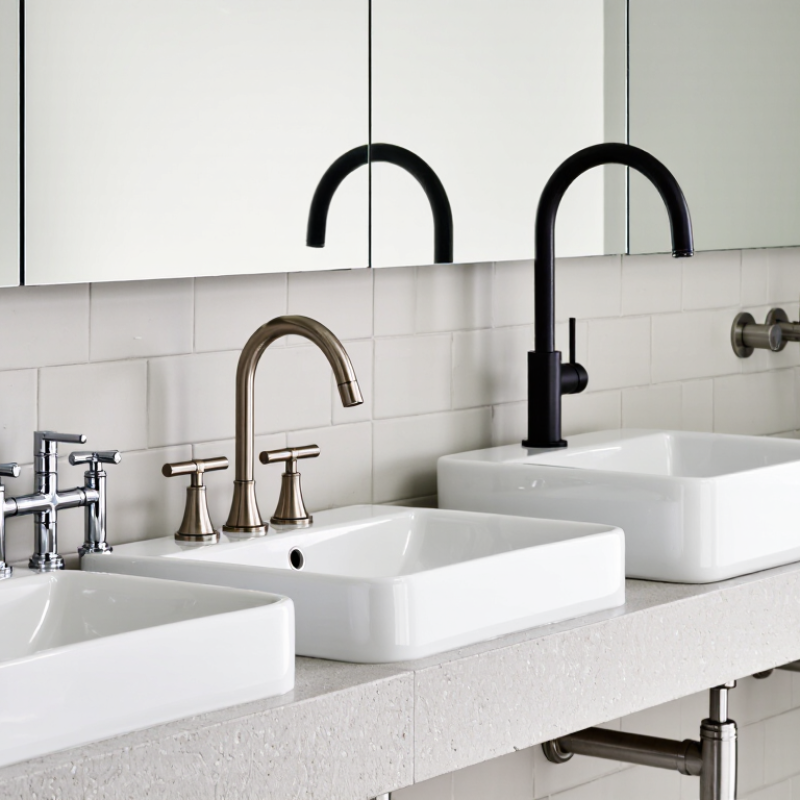
Bathroom faucets are best classified by installation, handle layout, and control method. Installation types include single-hole, centerset, widespread, and wall-mounted. A centerset faucet groups its handles and spout on one deck plate; widespread models keep those parts separate. Single-handle and two-handle describe operation, not mounting. The categories can overlap: a wall-mounted faucet may also have one handle. That distinction is easy to miss.
Tips: Measure the existing hole spacing before choosing a replacement. Check the space behind the sink, too. A wide faucet can crowd a narrow basin, while a wall-mounted model needs compatible plumbing inside the wall. EPA WaterSense criteria specify a maximum flow rate of 1.5 gallons per minute for labeled bathroom sink faucets, compared with the federal standard of 2.2 gallons per minute. That matters. Flow rate is one practical way to compare options, but it does not tell you whether the faucet will fit.
Control type offers another useful classification: manual handles, touch-activated controls, and sensor-operated models. Inside the faucet, valve design also matters. Ceramic-disc valves are common in modern products, while compression valves use washers that may wear over time. These details affect maintenance, but labels are not always consistent across sellers. Check the product’s installation sheet and dimensions, rather than relying on the category name alone.
Top Bathroom Faucet Types by Typical Mounting Openings
Bathroom faucets are commonly classified by how they mount and how their handles are arranged. Single-hole faucets typically use one opening; centerset and widespread faucets typically use three deck openings; wall-mounted faucets typically connect through two wall openings. Requirements can vary by faucet design, so check the product specifications and sink or countertop layout before installation.
Common Bathroom Faucet Mounting Styles
Bathroom faucets are commonly mounted on the sink, countertop, or wall. The right style depends on the basin, available space, and existing plumbing. Check the rough-in first. A faucet that looks ideal may not fit the holes already cut into a vanity top.
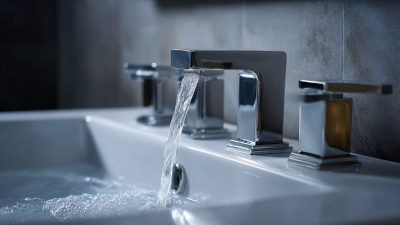
Centerset faucets combine the spout and two handles on a compact base, often designed for sinks with three holes spaced four inches apart. Widespread models use separate handles and a spout, giving them a more open look. Their components usually need a wider installation area. Single-hole faucets keep the deck clear and suit small vanities, though some models include a plate to cover extra holes. Measure before choosing.
Wall-mounted faucets free up counter space and can pair neatly with vessel sinks. They also require plumbing inside the wall, so installation can be more involved, especially during a simple fixture replacement. Spout reach matters: water should land near the drain, not splash against the basin’s side. Small detail, big impact. It is easy to focus on finish and handle shape, then overlook access for cleaning or repairs. A quick check of hole spacing, sink depth, and water lines can prevent an attractive but awkward mismatch.
Popular Faucet Types by Handle Design
What Are the Top Types of Bathroom Faucets?
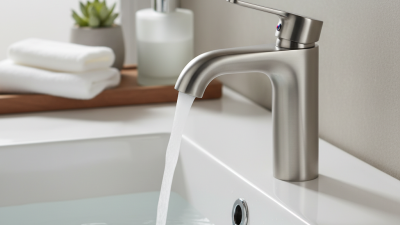
Handle design strongly affects daily comfort, cleaning, and installation cost. Single-handle faucets combine temperature and flow control in one lever. They work well beside compact basins and are easier to operate with wet hands. Centerset two-handle faucets use separate hot and cold controls. Their three-hole layout suits many standard bathroom counters. Widespread faucets separate the handles from the spout, creating a broader, more customized appearance. Wall-mounted models save counter space, but they require careful plumbing placement behind the wall.
Industry data supports a practical approach. The U.S. Environmental Protection Agency’s WaterSense specification limits labeled bathroom faucets to 1.5 gallons per minute, compared with the federal 2.2-gallon standard. EPA estimates that an average family can save about 700 gallons of water yearly with efficient faucets. Market analysis from Grand View Research also identifies renovation activity and water efficiency as key growth drivers in the bathroom faucet sector. Still, a low-flow faucet can feel weak when its aerator is poorly designed. That detail is easy to overlook.
Tips: Match the handle style to the sink’s pre-drilled holes. Check the faucet’s flow rate before buying. For a busy family bathroom, choose a single lever with a broad, smooth handle. For a refined remodel, widespread controls offer flexibility, but they demand accurate measurements. I would not select wall-mounted hardware without confirming rough-in depth first. Mistakes there become expensive quickly.
How Faucet Valves and Water Controls Differ
Bathroom faucets may look similar, but their internal valves affect temperature control, maintenance, and feel. Compression valves use rubber washers pressed against a seat to stop water. They are straightforward, though worn washers can cause drips and may need regular replacement. Ceramic-disc valves use closely fitted discs that rotate to control flow. They often operate smoothly and resist wear, but grit in the water can damage their surfaces.
Cartridge valves move a stem or cartridge to regulate water, while ball valves use a rotating ball with openings for hot and cold supply. These designs can make single-handle faucets easy to adjust with one hand. A quarter-turn handle is convenient. Yet handle movement alone does not guarantee precise temperature control; the valve design and installation matter.
Two-handle faucets let users adjust hot and cold water separately. Single-handle models combine those controls, which can be useful when washing hands quickly. Pressure-balancing valves help limit sudden temperature changes when water pressure shifts elsewhere in the home. Thermostatic controls go further by maintaining a selected temperature, but they may cost more and require careful setup. Check the faucet’s specifications and available replacement parts before choosing. It is easy to focus on the finish and overlook what sits inside. I might still choose a simple valve, even if it needs occasional attention.
Key Features to Compare When Selecting a Faucet
Single-handle, centerset, widespread, and wall-mounted faucets suit different bathrooms. Single-handle models are simple to adjust, while widespread designs need more counter space and separate mounting holes. Wall-mounted faucets free up the sink deck, but require compatible plumbing. Fit matters most.
Compare mounting, spout reach, handle clearance, cartridge type, finish durability, and flow rate. Measure the distance from the faucet holes to the basin before buying; a spout that falls short can splash water onto the counter. The U.S. EPA’s WaterSense specification limits labeled bathroom faucets to 1.5 gallons per minute. That is at least 30% below the 2.2-gpm federal baseline (U.S. EPA, WaterSense Bathroom Faucet Specification). Still, low flow alone does not guarantee a satisfying feel; aerator design and household water pressure matter too.
Tips: Measure twice. Check the number and spacing of sink holes, then confirm the faucet’s reach and installation requirements. A polished finish looks appealing, but hard-water spots may show quickly. That trade-off is easy to overlook.
What Are the Top Types of Bathroom Faucets? — Key Features to Compare When Selecting a Faucet
| Faucet Type |
Typical Configuration |
Key Features |
Best Suited For |
Points to Check Before Buying |
| Single-hole |
Faucet body and handle fit through one deck hole. Some models include a deck plate to cover additional sink holes. |
Compact layout; often uses one lever to control both water temperature and flow; generally straightforward to clean around. |
Small vanities, minimalist bathrooms, and sinks with one faucet hole. |
Check the sink’s hole pattern and faucet dimensions. If using a deck plate, confirm that it covers the extra holes. |
| Centerset |
Usually has a spout and two handles connected on a shared base, designed for three holes with 4-inch spacing between handle centers. |
Integrated design keeps the handles and spout close together; commonly suits compact sink decks. |
Many standard bathroom sinks and smaller vanity tops with a compatible three-hole layout. |
Measure the distance between the outer holes and confirm that the faucet’s base covers the mounting area. |
| Widespread |
Separate spout and handles are installed through three holes. Many models adjust to a spread of about 6–16 inches, but the product specification determines the actual range. |
Independent components allow flexible spacing and a more open appearance around the faucet. |
Larger sinks and vanity tops with enough deck space for separately mounted components. |
Measure the distance between the outer holes and check the faucet’s minimum and maximum installation spread. |
| Wall-mounted |
Faucet and controls project from the wall above the sink; the plumbing valve and connections are installed inside the wall. |
Leaves the sink deck clear and can make countertop cleaning easier. |
Bathrooms designed for in-wall plumbing and sinks or basins compatible with a wall-mounted spout. |
Confirm wall plumbing, valve compatibility, spout reach, and the required height above the basin. Installation may require opening or modifying the wall. |
| Vessel-sink faucet |
A taller deck-mounted faucet is designed to reach over the rim of a raised vessel basin. Some vessel faucets use a single handle; configurations vary. |
Extra height and reach help deliver water into a countertop-mounted bowl. |
Vessel sinks where a standard-height faucet would not provide suitable clearance or reach. |
Measure the vessel’s height and faucet reach. Check that the stream lands inside the basin and does not splash excessively. |
Selection tip: First match the faucet to the sink’s hole count, hole spacing, and mounting style. Then compare spout reach, clearance, handle operation, finish, and applicable local water-efficiency requirements. In the United States, WaterSense-labeled bathroom sink faucets are independently certified to use no more than 1.5 gallons per minute.