Top Tips for More Plumbing Solutions in Your Home?
Are you looking for more plumbing solutions in your home? Plumbing issues can be frustrating. Small leaks and clogs can develop into bigger troubles. By understanding basic plumbing, you can tackle common problems.
In this guide, we’ll explore simple tips for better home plumbing. Knowing how to fix a leaky faucet or clear a drain can save you money. Many homeowners overlook easy fixes. They often wait too long, leading to more significant issues.
Time and effort invested in plumbing knowledge can pay off. Each task completed makes you more confident. Simple tools and techniques can go a long way. You can create a proactive maintenance routine to prevent future problems. Remember, taking care of your plumbing is key to a comfortable home.
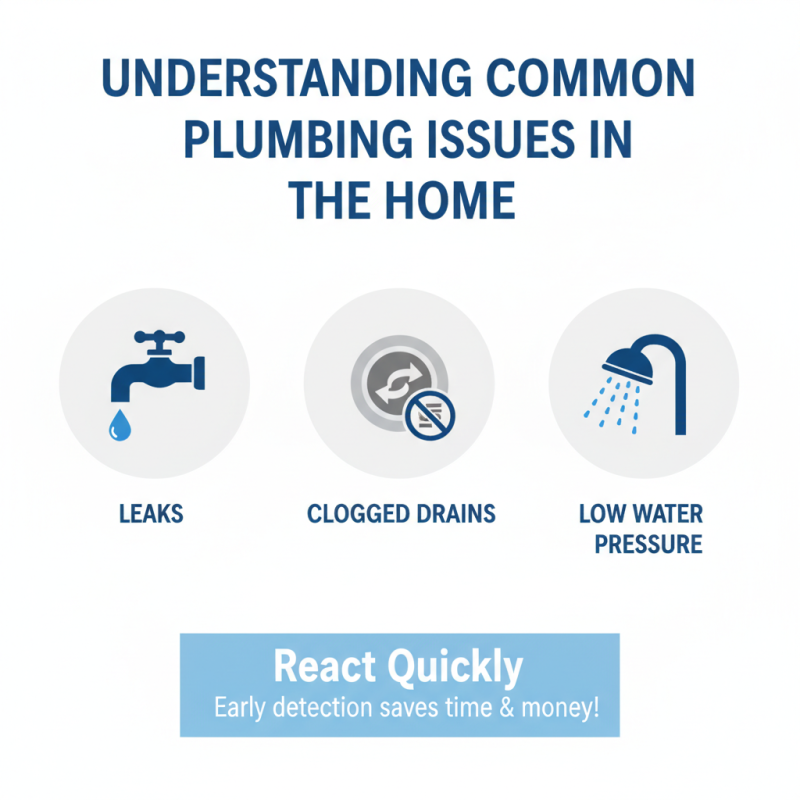
Understanding Common Plumbing Issues in the Home
Plumbing issues often arise unexpectedly. Many homeowners face problems such as leaks, clogged drains, and low water pressure. Understanding these issues can help you react quickly.
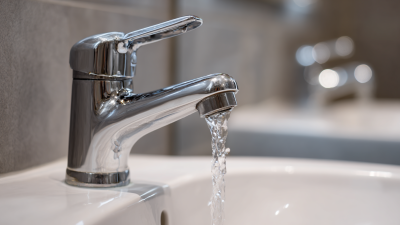
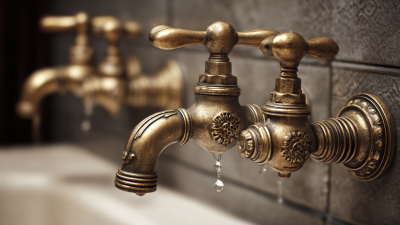
A common problem is a leaky faucet. This issue can waste gallons of water. Take time to check your faucets regularly. If you notice a drip, try tightening the faucet. If that doesn’t help, you may need to replace a washer or seal.
Clogged drains are another frequent headache. Hair and soap residue can build up over time. To prevent this, use a drain cover. It captures hair and debris before they enter the pipes. If the drain does clog, a mixture of baking soda and vinegar can be effective. Pour it down the drain and wait. This simple tip may save you from a costly plumber visit.
Low water pressure can make daily tasks frustrating. Check for leaks in pipes or fixtures. Even small leaks can lead to pressure drops. You might adjust the main valve, but if issues persist, consider hiring a professional. Water supply can be complicated. Treat it with care and attentiveness.
Essential Tools Every Homeowner Should Have for Plumbing
When it comes to plumbing, being prepared can save you time and money. Every homeowner should have essential tools to tackle minor issues. A simple plunger is key for addressing clogs quickly. A pipe wrench is invaluable for tightening or loosening plumbing fittings. Having a set of adjustable wrenches allows you to work on various sizes of pipes with ease.
Don’t forget about a reliable screwdriver set. These are essential for removing covers and making quick fixes. A utility knife can help with cutting through tape or tubing when needed. Additionally, a basin wrench is helpful in tight spaces for reaching nuts and bolts. Each of these tools not only aids in repairs but also empowers homeowners to handle plumbing issues confidently.
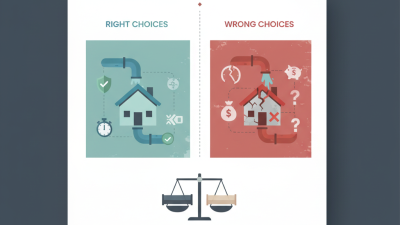
Having these tools doesn’t guarantee success. Mistakes can happen. A broken pipe may lead to bigger problems. Not identifying the root cause of a leak can make things worse. Understanding when to call a professional is just as important as having tools. Sometimes, being DIY-savvy has its limits.
Top Tips for More Plumbing Solutions in Your Home? - Essential Tools Every Homeowner Should Have for Plumbing
| Tool |
Purpose |
Usage Tips |
Maintenance |
| Adjustable Wrench |
Tightening and loosening plumbing fittings |
Always ensure a good grip to avoid rounding the fittings. |
Clean regularly and keep the jaws aligned. |
| Plunger |
Clearing clogs in drains and toilets |
Use a firm, consistent motion to create suction. |
Rinse with hot water after each use to maintain hygiene. |
| Pipe Wrench |
Turning pipes when installing or removing |
Use the wrench on the pipe’s flat surface for better grip. |
Lubricate the movable parts to ensure smooth operation. |
| Teflon Tape |
Sealing pipe threads to prevent leaks |
Wrap tape clockwise around the threads before connecting. |
Store in a cool, dry place to preserve its effectiveness. |
| Snake Tool |
Removing stubborn clogs deeper in pipes |
Insert carefully and rotate to grip and break the clog. |
Clean the tool after each use to prevent rust. |
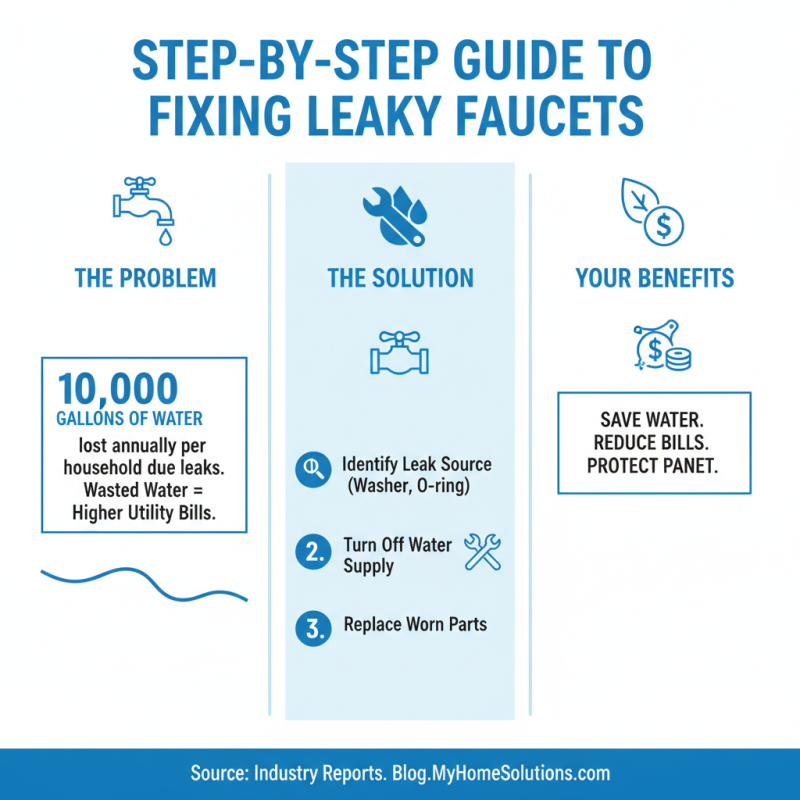
Step-by-Step Guide to Fixing Leaky Faucets
Dealing with a leaky faucet can be frustrating. According to industry reports, leaks account for an average household loss of 10,000 gallons of water annually. Addressing this issue not only saves water but also reduces utility bills.
To fix a leaky faucet, first, turn off the water supply. Remove the faucet handle by loosening the screw. Inspect the O-ring or washer; these are often the culprits. Replace them if they are damaged. Reassemble the faucet and turn on the water supply.
**Tip**: Always wear rubber gloves when handling plumbing fixtures. This protects your hands and enhances grip.
If water still leaks, check the valve seat. This part can corrode over time. Cleaning or replacing it can solve persistent leaks. Remember, even minor drips can lead to greater issues.
**Tip**: Consider keeping a small toolbox handy. Basic tools can make quick repairs easier. A plunger, a pair of pliers, and a wrench can be lifesavers.
Leaky faucets may seem minor, yet they reflect bigger plumbing concerns. Regular maintenance can prevent small issues from escalating. Always be observant and ready to take action.
Preventative Maintenance Tips to Avoid Plumbing Problems
Plumbing issues can be a homeowner's nightmare. However, regular maintenance can significantly reduce the chances of encountering major problems. One effective strategy involves checking for leaks regularly. Even tiny leaks can lead to mold growth. This can cause health problems and expensive repairs later. Look under sinks, around toilets, and in basements for signs of moisture.
Another crucial step is to inspect your water heater. Sediment buildup can reduce efficiency and lifespan. Flushing it at least once a year could save you from costly replacements. Don't forget to check your faucets and showerheads for any drips. A dripping faucet may seem minor, but it can waste gallons of water over time.
Additionally, keep an eye on your drains. Hair, soap, and other debris can cause clogs. Sometimes, a simple mixture of baking soda and vinegar can do wonders. It’s a quick fix, but remember, it’s not always perfect. If clogs happen often, consider a professional assessment. Plumbing is complex, and sometimes, the DIY approach may fall short. Stay proactive to avoid unnecessary plumbing headaches.
Top Tips for More Plumbing Solutions in Your Home
Understanding common plumbing issues is crucial for effective preventative maintenance in your home. This chart illustrates the frequency of various plumbing problems that homeowners face, helping you prioritize your preventative maintenance strategies.
When to Call a Professional Plumber for Assistance
When dealing with plumbing issues, knowing when to call a professional is crucial. According to a survey from the American Society of Plumbing Engineers, about 60% of homeowners attempt to fix plumbing problems themselves. However, this often leads to bigger issues.
Simple leaks can escalate quickly, causing extensive water damage and costly repairs.
A professional plumber has the training and experience to diagnose problems accurately. For instance, clogs that seem minor can be signs of larger blockages in the sewer line. The average cost for a plumber to clear a clog ranges from $100 to $500, depending on the severity. Ignoring these signs may result in spending thousands on repairs later.
In emergency situations, it’s best to call an expert. The American Red Cross states that water damage can start within minutes of a leak. Even a minor drip can lead to mold, which affects air quality. If you notice dampness or an increase in your water bill, it's time to seek help.
Remember, tackling plumbing problems alone can lead to frustration and additional expenses. When in doubt, consider reaching out to a professional plumber.