Top Tips for Choosing Plain Steel Grating for Your Project?
Choosing Plain Steel Grating for your project can be overwhelming. The variety of options and specifications may confuse even seasoned professionals. However, understanding a few key aspects can significantly simplify your decision-making process. Plain steel grating offers durability and strength, making it a popular choice in various applications, from industrial flooring to walkways.
When selecting plain steel grating, consider factors like load capacity, spacing, and corrosion resistance. Each project has unique requirements. Ignoring these details can lead to costly mistakes. Be mindful that not all products are created equal; stick with reputable manufacturers known for quality.
Sometimes, project managers underestimate the importance of proper installation. Even the best materials will perform poorly if not installed correctly. Always seek expert assistance when in doubt. This approach ensures safety and longevity in your project outcomes. Embracing these insights can empower you to make informed choices in selecting plain steel grating that meets your needs.
Understanding the Different Types of Plain Steel Grating Available
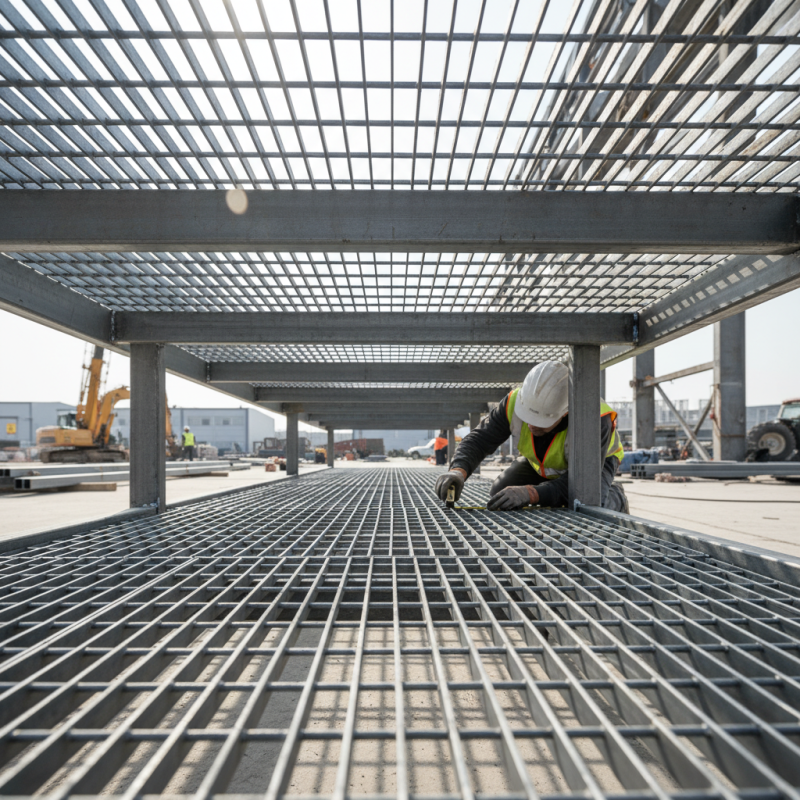
When it comes to plain steel grating, understanding the types available is crucial. You’ll typically encounter three main designs: welded, swaged, and riveted. Each type serves different purposes and has distinct characteristics. Welded grating is solid and durable, making it suitable for heavy-duty applications. Swaged grating, on the other hand, offers a lighter alternative with increased strength. Riveted grating provides flexibility but may not be as robust as the other types.
Evaluating your project’s needs will help you select the right type. Consider factors like load capacity and installation methods. For example, a construction site might require heavy-duty welded grating, while a platform might benefit from lighter swaged options. Think about the environment too. Will the grating be exposed to corrosive elements? This influences material choice and coatings.
While this overview helps, challenges can arise during selection. Sometimes, the best option may not be immediately clear. It’s essential to consult experts and review specific requirements. A thorough understanding of installation and maintenance is also necessary. Not all options are seamless to work with. Each type has its pros and cons, and a little research goes a long way.
Evaluating Load-Bearing Requirements for Your Project
When evaluating load-bearing requirements for your project, it's essential to understand how steel grating will perform under stress. Consider the type of loads it will encounter. Will it need to support heavy machinery or just foot traffic? This question determines the thickness and spacing of the grating. For instance, heavier loads require thicker bars and closer spacing for enhanced strength.
Another factor to consider is the dynamic load versus static load. Dynamic loads fluctuate and can create stress peaks. Static loads are more predictable but can still be substantial. A proper assessment involves calculating maximum load, taking safety factors into account. It's also wise to review any past experiences with similar projects to inform your decisions.
As you examine your site conditions, don’t overlook factors like environmental effects. Corrosion, temperature changes, and exposure to chemicals can impact the performance of plain steel grating. Reflecting on past mistakes, such as underestimating these influences, can save time and money later. Balancing all of these elements leads to a more reliable and durable grating solution tailored to your specific needs.
Considering the Environmental Factors Impacting Steel Grating Durability
When selecting plain steel grating for your project, environmental factors significantly impact its durability. Corrosion is a major concern. According to a report by the American Society of Civil Engineers, over 25% of steel structures experience premature failure due to corrosion. This accelerates the need for replacements and increases costs. Proper consideration of the environment can greatly enhance the longevity of steel grating.
Factors such as humidity, exposure to chemicals, and temperature fluctuations play a critical role in the performance of steel grating. For instance, marine environments exhibit high salt levels, fostering rapid corrosion. A study from the National Association of Corrosion Engineers indicates that steel structures in coastal areas can lose about 50% of their lifespan due to corrosive elements. Choosing protective coatings or employing stainless steel options can mitigate these risks, extending life substantially.
Also, surface finish matters. Textured surfaces can improve slip resistance but may trap moisture and debris, leading to corrosion. Regular maintenance is essential too, yet many projects overlook this detail. Regular inspections can catch early signs of degradation and save costs in the long run. Ignoring environmental factors could compromise the integrity of your project. Consider these elements carefully to make informed decisions.
Assessing Cost-Effectiveness: Budgeting for Plain Steel Grating
Budgeting for plain steel grating requires careful consideration of several factors. Begin by assessing the scope of your project. Determine how much grating you need and the specific requirements for durability and load-bearing capacity. This evaluation will help you avoid overspending on unnecessary materials.
Cost-effectiveness is not just about the price per square foot. Consider the long-term benefits of investing in higher-quality steel grating. Cheaper options may seem attractive but could lead to increased maintenance costs. Think about the environment as well. Using steel that is recycled or sustainably sourced can save money and reduce your project's carbon footprint.
It's important to consult with industry experts to better understand the overall market. They can provide insights on pricing trends and potential pitfalls. Flexibility in your budget can accommodate unforeseen challenges. Keep in mind that upfront investments in quality can yield better returns down the line. Always weigh short-term costs against long-term value to ensure a smart financial decision.
Cost-Effectiveness of Plain Steel Grating
Installation Tips and Maintenance for Longevity of Steel Gratings
Installing plain steel grating requires careful consideration of both placement and maintenance for durability. Industry reports indicate that properly installed steel grating can last 20 to 30 years. Ensure a solid foundation. Uneven ground leads to instability and faster wear. Before installation, check for rust and other structural damages. The quality of the steel always matters.
Maintenance is crucial for longevity. Regular inspections can reveal minor issues before they become serious. According to experts, cleaning the gratings monthly removes debris and prevents rust accumulation. Lubricating hinges and joints can also extend their life. Some studies suggest that neglecting maintenance reduces lifespan by up to 50%. It’s essential to prioritize upkeep even when the installation seems solid.
Utilizing an appropriate coating can enhance protection. Industry standards recommend coatings like epoxy or polyurethane. These coatings resist moisture and corrosion. However, improper application can lead to peeling and require costly repairs. Balancing installation precision and ongoing maintenance allows for a robust solution to your grating needs.