What is a Folding Door and How Does it Work?
Folding Doors have gained popularity in modern architecture and design. They offer flexibility and functionality in various spaces. According to a recent report by Market Research Future, the global folding door market is projected to reach $5.2 billion by 2027, growing at a CAGR of 4.8%. This growth reflects the increasing demand for innovative designs in residential and commercial projects.
Expert in door technology, John Smith, emphasizes the practicality of folding doors. He states, “Folding doors are revolutionizing how we connect indoor and outdoor spaces.” This innovation is not without challenges. While they provide an open feel, maintenance can be an issue over time. Proper installation is crucial to avoid operational problems. Many users report struggles with the folding mechanism, which can be frustrating if not handled correctly.
Incorporating folding doors into a space can redefine usability. They allow for seamless transitions, but careful consideration is needed for optimal performance. As the industry evolves, understanding both the benefits and limitations of folding doors becomes essential for homeowners and builders alike.
What is a Folding Door?
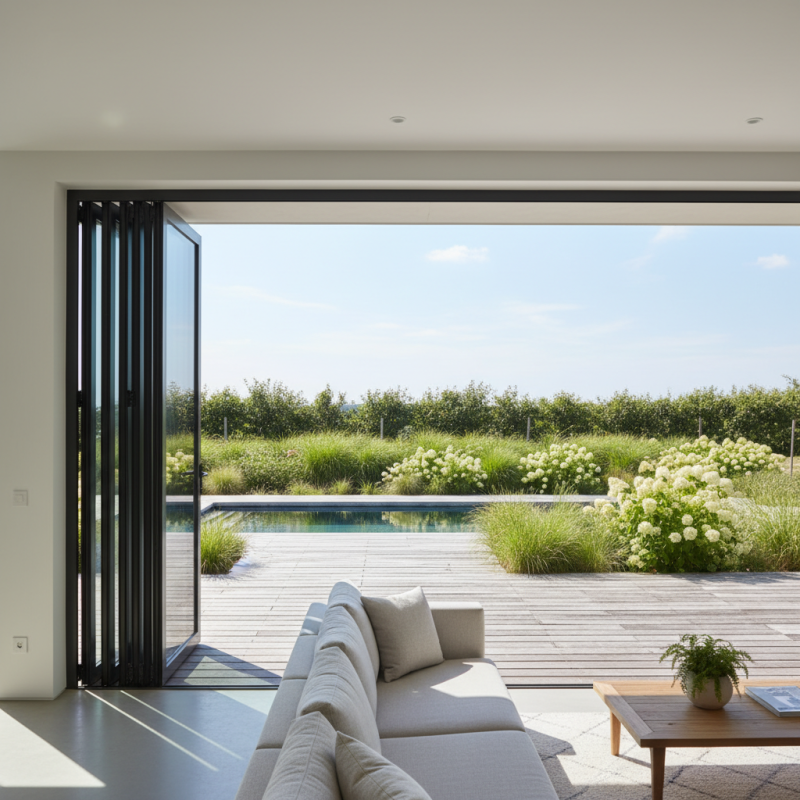
A folding door is a type of door that consists of multiple panels. These panels fold in a concertina motion, allowing for a wide opening. This design maximizes space and enhances accessibility. Often used in both residential and commercial settings, folding doors can create a seamless transition between spaces. They are particularly popular in areas where traditional doors may be impractical.
One of the key features of folding doors is their versatility. They can be made from various materials like wood, aluminum, or glass. Each material brings its own aesthetic and functional qualities. For instance, glass panels can invite natural light, brightening up a room. However, choosing the right material requires careful consideration of maintenance and climate. It's easy to overlook these details in the excitement of installation.
Installation can sometimes present challenges. It is essential to ensure that the tracks are properly aligned. Misalignment can lead to inefficiency and even damage over time. Homeowners often find themselves reassessing their choices if the door doesn’t operate smoothly. Sometimes, the beauty of a folding door can cloud practical considerations. Regular maintenance is needed to keep them functioning well. All these aspects make folding doors a fascinating yet complex choice for any space.
Components of a Folding Door System
Folding doors are versatile additions to any space. They consist of several key components that work together seamlessly. The most important part is the door panels. These panels fold in on themselves when opened. This unique design allows for compact storage, making them ideal for smaller areas.
The tracks are another essential element. They guide the door panels as they open and close. Proper alignment is crucial here. If the tracks are not installed correctly, the doors may not function smoothly. Rollers attached to the panels help them glide effortlessly along the tracks. These ensure minimal friction, but they can wear over time. Regular maintenance is necessary to keep everything in working order.
Another vital component is the hinges. They connect the panels and allow them to swing open and closed. Quality hinges are important, yet often overlooked. Users may not realize that low-quality hinges can lead to door failure. Finally, the frame provides stability. It secures everything in place but can be challenging to install correctly. Achieving a perfect fit takes time and patience, as any misalignment might affect performance.
How Folding Doors Operate Mechanically
Folding doors are an innovative solution for creating flexible spaces. They consist of multiple panels that fold against each other, allowing for wide openings. Unlike traditional doors, they save space and add a unique aesthetic. Many people find them appealing for both residential and commercial use.
Mechanically, folding doors operate through a series of hinges and tracks. Each panel is connected to the next by a hinge system. This allows the panels to glide smoothly when opened or closed. However, the mechanism can be tricky. If the tracks are misaligned, the doors may not function properly. Maintenance is crucial. Regularly inspect the hinges and tracks to ensure smooth operation.
Proper installation plays a key role as well. Poorly installed doors can lead to operational issues. It’s essential to measure accurately. Sometimes, users are not aware of the importance of this step. A small mistake can lead to larger frustrations down the line. Keeping the angle of the panels in check is also vital. Sloping panels can hinder folding movement. Observing these details can significantly improve functionality.
Advantages of Using Folding Doors
Folding doors are an innovative solution for both residential and commercial spaces. They offer flexibility that traditional doors do not. One major advantage is their ability to create open spaces. When fully opened, they seamlessly merge indoor and outdoor areas. This creates a sense of spaciousness, perfect for social gatherings or family events.
Another benefit is energy efficiency. Folding doors can be designed with high-quality insulation. This helps maintain a comfortable temperature inside, reducing energy costs. In colder months, you might notice drafts with standard doors. However, folding doors tend to seal better. They can also enhance natural light flow into your home, making spaces feel more inviting.
However, installation can be tricky. If not done correctly, they might not function smoothly. Regular maintenance is key to longevity. Some users report that the tracks may accumulate debris over time. It’s important to address these details to avoid frustration. While folding doors can elevate your space, they require thoughtful consideration and care.
What is a Folding Door and How Does it Work? - Advantages of Using Folding Doors
| Feature | Description | Advantages |
| Structure | Folding doors consist of multiple panels that fold and stack to one side. | Maximizes open space. |
| Material Options | Available in wood, aluminum, and vinyl. | Variety to match design preferences. |
| Space Efficiency | Fold to the side rather than swing open. | Ideal for small spaces. |
| Natural Light | Allows for larger glass panels. | Enhances natural lighting. |
| Accessibility | Can be designed for easy opening and sliding. | Increases entry ease for all users. |
Common Applications for Folding Doors
Folding doors are versatile and popular in various settings. They are often used for both residential and commercial applications. A report from the Building Research Establishment indicates that folding doors can save up to 20% of space compared to traditional doors. This feature is particularly beneficial in small areas.
In residential settings, folding doors transform living spaces. They can connect indoor and outdoor areas seamlessly. When fully opened, they create a wide passage that enhances natural light. This design is perfect for patios and balconies. A recent survey by the National Association of Home Builders found that homeowners value open-concept designs, increasing demand for folding doors in new constructions.
Commercial spaces also benefit from folding doors. They are frequently used in restaurants to create an inviting ambiance. Many cafes leverage folding doors to blur the line between indoor dining and outdoor settings. However, not all folding doors function smoothly over time. Regular maintenance is essential to prevent operational issues. The difficulty in finding skilled technicians for repairs is a notable concern in the industry. Addressing this gap is crucial for maximizing the benefits of folding doors.