How to Choose the Best Interior Folding Door Manufacturer?
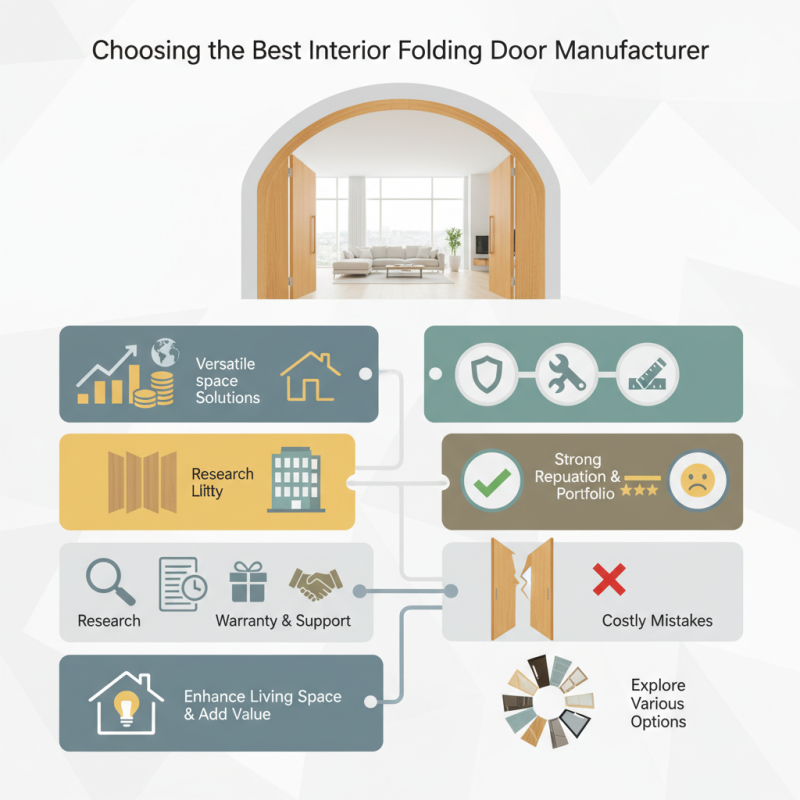
Choosing the right interior folding door manufacturer is crucial for your project. The success of your design heavily relies on quality and functionality. According to a recent industry report by Market Research Future, the interior door market is projected to reach $25 billion by 2027. This growth highlights the increasing demand for versatile space solutions, like folding doors.
An effective interior folding door can transform a space. These doors offer flexibility and style, making them ideal for modern homes. However, not all manufacturers are equal. Variability in quality, materials, and design options can be overwhelming. Take time to research, as an ill-informed choice can lead to costly mistakes or dissatisfaction.
Focus on manufacturers with strong reputations. Look for those with extensive portfolios and positive reviews. Pay attention to warranty and support options. Remember, investing in a reliable interior folding door manufacturer can enhance your living space and add value to your home. Consider your specific needs and explore various options to ensure you make the best choice.
Factors to Consider When Selecting an Interior Folding Door Manufacturer
Choosing the right manufacturer for interior folding doors is crucial. Start by assessing the quality of materials used. A reputable manufacturer will offer durable options. Look for doors that can withstand wear over time. We all want doors that look good and last.
Next, consider the range of styles available. Different spaces require different designs. Some manufacturers only provide a limited selection. This can restrict your ability to match home decor. A good choice will offer a variety of finishes and colors. Customization should be an option too.
Don't ignore customer reviews. They provide insight into the manufacturer's reliability. However, remember that not all reviews are genuine. Look for patterns in feedback, both positive and negative. Evaluate how the company responds to issues. This indicates their commitment to customer satisfaction. Choosing wisely can make a significant difference in your interior space.
Evaluating the Quality and Durability of Folding Doors Offered
When evaluating folding doors, quality and durability are essential. A well-crafted door can enhance your space, both functionally and aesthetically. Different materials offer varying durability. Solid wood doors present a classic look but can warp over time. On the other hand, aluminum and fiberglass provide strength against wear. Think about the environment where your door will be installed. High humidity areas require moisture-resistant materials.
Tips: Check the door's construction. Look for solid core options over hollow ones. This small detail can significantly improve durability. Notice the surface finish too. A high-quality finish will resist scratches and stains better.
Pay attention to the hardware used in the door system. Strong hinges and tracks are crucial for smooth operation. Weak components can lead to early failures. Consider the door's warranty as well. A longer warranty often reflects the manufacturer's confidence in their product. You may find that some manufacturers offer decent warranties on low-quality doors. This discrepancy can be a red flag. Remaining vigilant while assessing options will lead you to a better choice.
Comparing Cost vs. Value in Interior Folding Door Options
When selecting interior folding doors, weighing cost versus value is essential. A recent industry report indicates that high-quality folding doors can range from $100 to $400 per unit. However, the cost does not always reflect durability or design. Homeowners often seek affordability, but this can lead to compromises on quality. A cheaper option may save money initially, but it could require replacements sooner, costing more in the long run.
Experts note that investing in high-value materials can result in significant savings over time. For instance, solid wood doors tend to withstand wear better than hollow-core models. Additionally, energy-efficient designs can reduce heating and cooling costs. According to studies, properties with better-insulated doors can save homeowners up to 20% on energy bills.
While aesthetics are vital, function and resilience should not be overlooked. Choosing a door that fits well can enhance sound insulation and privacy. Poor-fitting doors can lead to a subpar user experience. Evaluating warranties and customer reviews is crucial. Sometimes, the best value lies in long-lasting investments rather than short-term savings.
How to Choose the Best Interior Folding Door Manufacturer? - Comparing Cost vs. Value in Interior Folding Door Options
| Manufacturer Type | Price Range (USD) | Material Quality | Warranty (Years) | Customer Ratings (1-5) |
| Standard | $150 - $300 | Medium | 1-2 | 3.5 |
| Premium | $300 - $600 | High | 3-5 | 4.5 |
| Custom | $600 - $1,200 | Very High | 5 | 5 |
| Budget | $100 - $200 | Low | 1 | 2.5 |
Researching Manufacturer Reputation and Customer Reviews
When choosing an interior folding door manufacturer, reputation plays a crucial role. Start by looking at customer reviews online. These reviews can reveal a lot about a manufacturer’s quality and service. Look for consistent feedback. Positive experiences often reflect reliability, while negative reviews can highlight recurring issues. Take note of comments regarding product durability and customer support.
Consider diving into discussions on forums or social media. This can provide deeper insights into customer satisfaction. However, be cautious; some reviews might be biased or even fake. Engaging with previous customers can offer personal experiences that reviews may not cover. Ask about their installation process and how the doors have performed over time.
Reflect on how a manufacturer's reputation can impact your choice. A reputable brand usually ensures stricter quality controls. Yet, some lesser-known manufacturers may still produce excellent doors at a competitive price. Balance your options carefully. Don't rush into a decision based solely on popularity. Assess the feedback, but also trust your instincts and criteria. Remember, every detail counts when selecting the right doors for your space.
Customer Satisfaction Ratings for Interior Folding Doors
Understanding Customization Options from Different Manufacturers
When selecting an interior folding door manufacturer, customization options play a vital role. Many manufacturers offer a variety of styles, materials, and finishes. Some may excel in modern designs, while others focus on traditional aesthetics. It’s essential to examine these choices closely.
Consider your interior space. Would a sleek, minimalist door suit your decor? Or perhaps a rustic wood finish is more appealing? Manufacturers vary in what they provide. Certain brands might allow unique adjustments, like door dimensions or hardware selections. Others could have limits, forcing standard choices.
Think about your specific needs. Some families may require soundproofing or enhanced durability. You might find that one manufacturer does better in these areas than another. It’s crucial to reflect on your preferences and requirements before making a decision. Customization can elevate your space, but be cautious. Not all options fit every budget. Always ask questions and demand clarity on customization limits.