What is the Best Type of Shower Faucets for Your Bathroom Needs
When it comes to upgrading your bathroom, choosing the right **shower faucets** is an essential decision that impacts both functionality and aesthetic appeal. According to a recent report by the National Kitchen and Bath Association (NKBA), nearly 75% of homeowners consider shower improvements as a top priority when renovating their bathrooms. This trend highlights the necessity of selecting shower faucets that not only fulfill your practical needs but also complement your overall design.
James Thompson, a renowned plumbing industry expert, emphasizes the importance of this selection process: "The right shower faucet can transform a mundane bathing experience into a daily retreat." His insight reflects the growing demand for innovative designs and features that cater to various lifestyle preferences. Additionally, the market has seen a rise in technologies such as thermostatic controls, water-saving mechanisms, and integrated LED lighting options in shower faucets, making it crucial for consumers to stay informed about available choices. With the right knowledge, homeowners can effectively navigate the myriad of styles and functionalities in the shower faucet market to meet their unique bathroom needs.
Types of Shower Faucets: A Comprehensive Overview
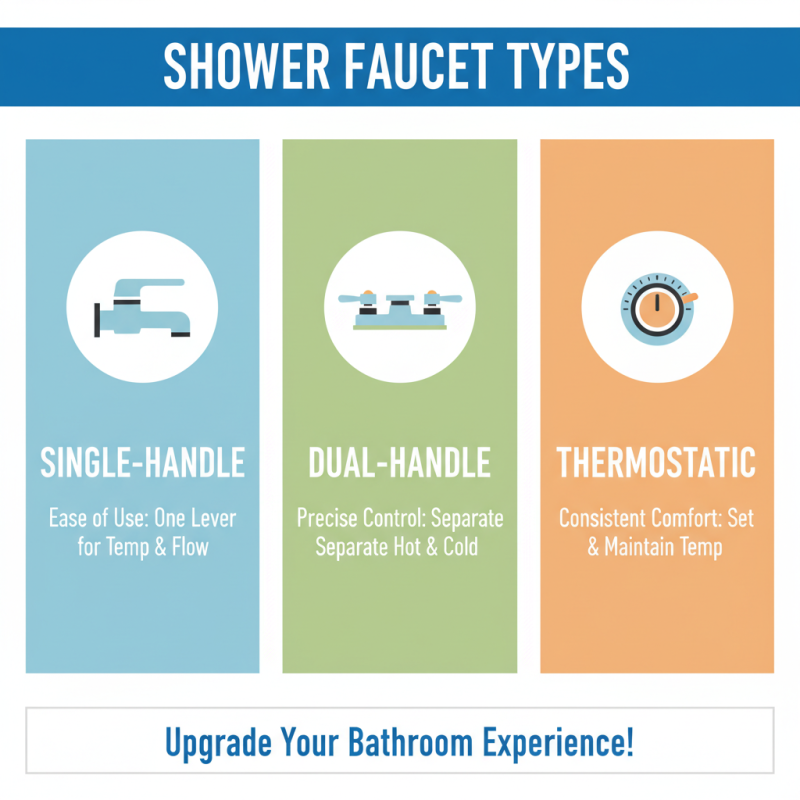
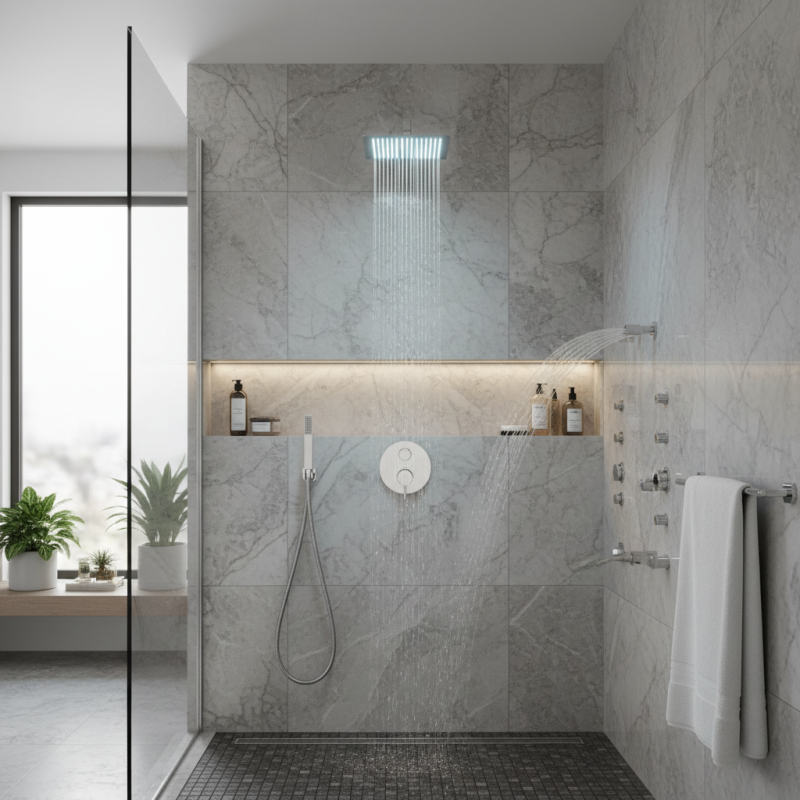
When selecting shower faucets, understanding the various types available can significantly enhance your bathroom experience. Commonly, shower faucets can be categorized into three main types: single-handle, dual-handle, and thermostatic faucets. Single-handle faucets are favored for their simplicity and ease of use, allowing the user to adjust both water temperature and flow with one lever. These are especially convenient in busy households where efficiency is key.
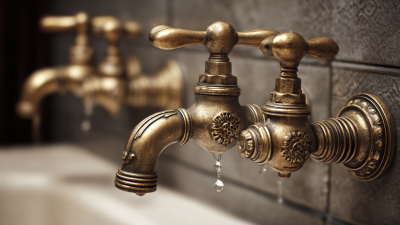
On the other hand, dual-handle faucets offer greater precision in temperature control with separate hot and cold handles. This traditional design not only enhances aesthetic appeal but also allows users to find their ideal temperature more accurately. Lastly, thermostatic faucets provide a state-of-the-art approach to showering. These faucets maintain the desired water temperature consistently, even if there are fluctuations in water pressure elsewhere in the home. This feature is particularly beneficial for families with children, ensuring safety and comfort during bath time.
Each type of shower faucet comes with its own advantages and considerations, making it essential for homeowners to assess their specific needs and preferences before making a choice. Whether it's the practical convenience of a single-handle faucet, the classic control of dual-handles, or the advanced technology of thermostatic options, understanding these types will help create a more tailored bathing experience.
Factors to Consider When Choosing Shower Faucets
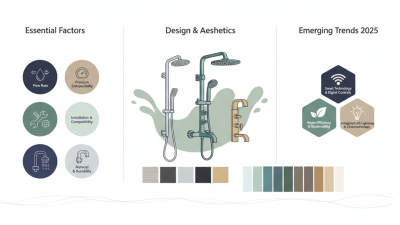
When selecting the best type of shower faucets for your bathroom needs, there are several factors to consider to ensure you make the right choice. Firstly, the type of faucet mechanism is crucial. You can choose between single-handle faucets, which allow for easy temperature adjustments, or dual-handle faucets, which can provide a more traditional aesthetic and precise control over both hot and cold water. Additionally, consider the valve type—ceramic disc, compression, or cartridge—as this will affect durability and maintenance needs.
Another important aspect to think about is the style and finish of the faucet. The design should complement your overall bathroom decor, whether it’s modern, classic, or minimalist. The finish can also impact both aesthetics and functionality; for example, polished chrome offers a sleek look but may require more frequent cleaning to maintain its shine, while brushed finishes can be more forgiving in terms of showing water spots. Lastly, evaluate the installation requirements, as some models may require more extensive plumbing work depending on your current setup.
Shower Faucet Types and Their Popularity
Popular Styles of Shower Faucets for Different Bathrooms
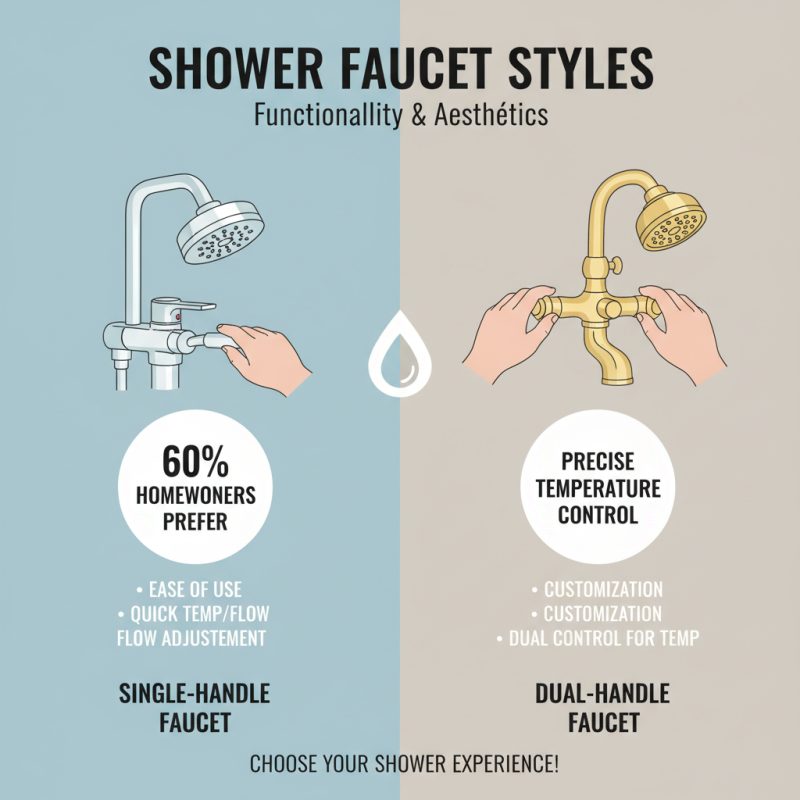
When it comes to selecting the best shower faucets for your bathroom, understanding the various styles available can significantly enhance both functionality and aesthetics. The two most popular styles of shower faucets include the single-handle faucet and the dual-handle faucet. Single-handle faucets are favored for their ease of use, allowing for quick adjustments to temperature and flow with one hand. Recent studies indicate that approximately 60% of homeowners prefer single-handle designs due to their efficiency and contemporary look. On the other hand, dual-handle faucets provide precise temperature control, making them a preferred choice for those who prioritize customization in their shower experience.
Another noteworthy style is the thermostatic faucet, which is gaining traction in modern bathrooms. According to industry reports, installations of thermostatic faucets have increased by over 30% in the last five years, as they offer enhanced safety features and consistent water temperature. This style is particularly beneficial for families with children, as it helps prevent sudden temperature fluctuations that could lead to scalding.
Tips: When choosing a shower faucet, consider the overall design of your bathroom to ensure a cohesive look. Additionally, think about your water pressure and flow rates; low-pressure systems may benefit from a faucet with a built-in pressure balance feature. Lastly, always verify the compatibility of your chosen faucet with existing plumbing to avoid expensive renovations.
Materials and Durability in Shower Faucet Selection
When selecting the best type of shower faucet for your bathroom, material choice plays a crucial role in determining both durability and overall performance. Shower faucets are typically constructed from various metals such as brass, stainless steel, and plastic. Brass is renowned for its strength and resistance to corrosion, making it a top choice for a long-lasting faucet. Stainless steel offers a modern aesthetic with a slight edge in corrosion resistance, especially in humid bathroom environments. Plastic, while lighter and more budget-friendly, may not provide the same longevity and durability as its metal counterparts.
The durability of the materials used not only affects the faucet’s lifespan but also impacts maintenance needs. High-quality brass or stainless steel faucets are less likely to tarnish and require minimal upkeep compared to lower-quality materials, which may show wear and develop leaks more quickly. Additionally, the finish applied to these materials can enhance their resistance to water spots and mineral buildup, making upkeep easier. Choosing a faucet with a durable finish can help maintain its appearance and functionality over time, ensuring that your shower experience remains pleasant and trouble-free.
Installation and Maintenance Tips for Shower Faucets
When selecting and installing shower faucets, it’s important to understand the various types available and the maintenance they require. According to a 2022 report by the Home Improvement Research Institute, approximately 40% of homeowners consider shower fixtures a priority in their bathroom upgrades. The two most common types of shower faucets are compression and cartridge. Compression faucets, though less common in modern designs, require more frequent maintenance due to their rubber washers that can wear down over time. Cartridge faucets, on the other hand, are known for their durability and ease of use, reducing the frequency of leaks and the need for repairs.
Proper installation of shower faucets is crucial for ensuring longevity and performance. Industry studies indicate that nearly 30% of faucet failures stem from improper installation. To avoid these issues, it's essential to follow manufacturer guidelines meticulously, checking all connections for leaks before sealing them. Furthermore, regular maintenance can significantly extend the life of your faucet. This includes routine inspections — checking for mineral buildup, loosening or tightening screws as necessary, and replacing washers or cartridges as needed. A proactive maintenance approach can prevent costly repairs and replacements, ensuring that your shower remains a reliable oasis in your bathroom.