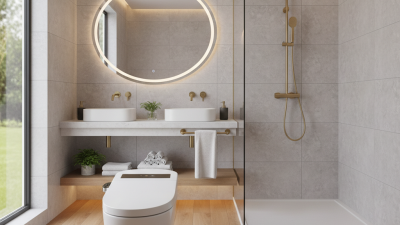
Choosing the best toilet shower in 2026 requires more than comparing appearance and price. Global buyers must consider water pressure, installation space, hygiene needs, maintenance, and local plumbing practices. A compact handheld model may suit a small apartment, while an integrated shower toilet can provide heated seats, adjustable washing, and automatic drying. Wall-mounted systems save floor space, but they may require stronger structural support and concealed plumbing.
This guide examines practical toilet shower types for different markets, budgets, and bathroom layouts. It considers bidet attachments, handheld sprays, electronic shower toilets, and smart models with user presets. Details matter. A flexible hose should reach comfortably without bending sharply. Smooth ceramic surfaces are easier to clean. Backflow protection, temperature control, and durable valves should appear in reliable product documentation. Independent testing and qualified installation also deserve attention.
There is no universal winner. Local water quality can change maintenance needs, and voltage differences can affect electronic models. Some features sound impressive but add repair costs later. A product that works well in a luxury hotel may feel excessive in a family bathroom. Buyers should compare certified materials, warranty coverage, replacement parts, and after-sales support before ordering internationally. Manufacturer claims are useful, but they are not the entire answer. Actual user feedback can be inconsistent. That uncertainty deserves attention. The following sections identify suitable toilet shower options and explain where each type performs best, where it struggles, and what global buyers should verify before purchase.
Toilet shower systems combine toilet use with targeted water cleansing.
Their main function is simple: improve personal hygiene with controlled water flow. Common types include handheld sprays, bidet seats, and integrated shower toilets.
Handheld models offer flexible positioning and easy replacement.
Bidet seats add washing functions to an existing toilet.
Integrated units usually provide a smoother, more complete experience.
Look closely at water pressure, spray direction, temperature control, and nozzle cleaning. A useful system should feel stable, not forceful. Some models use unheated water, while others offer adjustable warm water and heated seats.
Electronic controls can improve comfort, but they may require nearby power and careful installation. Non-electric systems are often easier to maintain. They can still perform the essential washing function.
My practical concern is often overlooked: a complicated control panel may confuse older users or guests.
Tips:
Measure the toilet bowl before buying. Check the inlet connection and available space. Test whether the spray reaches comfortably without twisting.
Choose smooth surfaces with accessible cleaning areas. Replace worn hoses promptly. A small leak can become expensive.
Read installation instructions carefully, even when the fitting appears obvious. Local water conditions also matter, because mineral buildup may reduce spray quality over time.
Some buyers focus on luxury features first, but daily reliability usually matters more.
In 2026, global buyers can choose among handheld bidet sprays, mechanical bidet seats, electric shower toilets, and portable wash systems. A handheld spray is affordable and easy to repair. It suits bathrooms with limited space. A mechanical seat works without electricity. It remains useful during power outages. Its drawback is less precise pressure control. The WHO/UNICEF Joint Monitoring Programme 2023 update reports that 3.5 billion people lacked safely managed sanitation in 2022. Reliable water access still matters more than novelty.
An electric shower toilet combines washing, warm water, heated seating, drying, and adjustable nozzles. It needs a protected power supply and careful installation. Buyers should check voltage, frequency, residual-current protection, and service access. A non-electric seat is less sophisticated, but often suits rental homes and remote properties. Measure the toilet bowl first. Many failed installations begin with incompatible dimensions.
Portable bottle systems help travelers and temporary housing users. They need little installation. For high-use households, integrated systems can provide more consistent hygiene, but maintenance matters. The U.S. Environmental Protection Agency’s WaterSense data estimates that toilets use about 24% of indoor household water. This figure does not predict bidet water consumption. It does show why dual-flush designs and controlled spray flow deserve attention. I would not overtrust touchscreens. Simple nozzles, accessible filters, and replaceable parts may serve global users better. Specifications look impressive; local repair capacity is the harder test.
Typical utility connections required by major toilet shower types. A score of 1 indicates that the connection is normally required; 0 indicates that it is generally not required.
Handheld bidet sprays and non-electric bidet seats are usually the simplest options because they do not require electricity. Electric bidet seats and integrated shower toilets typically require both a water connection and a nearby electrical outlet. Exact requirements vary by model, local plumbing standards, and installation design.
Choosing a toilet shower depends on hygiene, comfort, water use, and smart functions. Handheld sprays offer direct control and easy positioning. Integrated bidet seats provide adjustable washing, heated seats, warm air, and self-cleaning nozzles. Smart toilets combine these features in one unit, but they usually require electrical installation and more maintenance.
Comfort is personal. A narrow spray may feel precise, while a wider stream can feel gentler. Hygiene also depends on nozzle design, cleaning cycles, and user habits, not only water pressure. The WHO and UNICEF Joint Monitoring Programme reported that 3.5 billion people lacked safely managed sanitation in 2022. That figure shows why reliable cleaning and simple maintenance matter across different markets. Data is uneven. Many product tests measure flushing, but fewer compare bidet water use under identical conditions.
The U.S. Environmental Protection Agency states that WaterSense-labeled toilets use 1.28 gallons per flush or less, about 20% less than standard models. A toilet shower may use far less water per wash, although actual consumption varies with duration and pressure. Heated seats and warm-water systems add electricity demand, especially in standby mode. Look for adjustable temperature limits, leak protection, replaceable filters, and manual controls during power cuts. Smart features sound impressive. Some are unnecessary. Buyers should compare certified performance reports, installation requirements, and local repair access before choosing a model.
Choosing a toilet shower begins with the bathroom, not the product catalogue. A compact apartment may need a slim handheld bidet spray. A larger hotel bathroom can support an integrated shower toilet with heated water and a concealed connection. Measure the wall, seat clearance, pipe route, and electrical position before comparing features. Measure twice.
Water conditions vary across markets. Some homes have strong pressure, while older buildings may deliver an uneven flow. A pressure-tested model with adjustable spray control can improve daily comfort. Hard water may require an accessible filter or easy-to-clean nozzle.
In humid regions, corrosion-resistant fittings deserve attention. Local plumbing rules should guide backflow protection and installation methods.
User habits also shape the right choice. Families may prefer simple controls and a self-cleaning nozzle. Older users can benefit from side controls, warm water, and clear temperature markings. In colder climates, seat heating may matter more than decorative functions. In warmer areas, a non-electric spray can be practical and easier to maintain.
Still, assumptions can fail. A premium feature may become useless when replacement parts are unavailable. Buyers should confirm service support, water connections, voltage compatibility, and cleaning access with a qualified installer.
2026 Best Toilet Shower Types for Global Buyers
Toilet shower systems suit different bathrooms, water supplies, and user needs. Integrated bidet toilets offer the cleanest appearance, but they require electrical planning and professional installation. Electric shower seats need a grounded outlet, suitable protection, and enough clearance around the toilet. Handheld bidet sprays are simpler to install, although hose routing and backflow protection need careful attention. A small mistake matters.
Before installation, confirm water pressure, pipe size, inlet location, and local plumbing requirements. Use a certified non-return valve where potable water could be exposed to bathroom water. Electric models should meet the destination country’s safety standards and carry suitable moisture protection. Never place an extension cable near the floor. It sounds obvious, yet rushed renovations still create this risk.
Maintenance should include weekly surface cleaning with mild soap and regular inspection of hoses, seals, filters, and spray nozzles. Avoid abrasive powders, strong solvents, and sharp tools. Test the temperature before use, especially for children, older users, and people with limited sensation. Anti-scald controls are valuable, but they can still need adjustment. In practice, installers often discover slow leaks only after several weeks. Checking connections with a dry tissue can reveal moisture early. Keep clear service access, retain installation records, and verify accessibility needs rather than assuming one design fits every market.
| Toilet Shower Type | Installation Requirements | Water and Electrical Requirements | Maintenance Considerations | Safety Considerations | Common Compliance Considerations |
|---|---|---|---|---|---|
| Handheld Bidet Sprayer | Connects to a cold-water supply through a shut-off valve, hose, and wall bracket. Usually suitable for retrofit installation beside the toilet. | Cold mains water. No electricity required. A pressure-reducing valve may be needed where supply pressure is excessive. | Inspect hose connections, washers, valve operation, and spray-head openings regularly. Close the shut-off valve after use where required by local practice. | Use a backflow-protection device or approved air-gap arrangement. Do not leave the spray head submerged in the bowl. Replace cracked or swollen hoses. | Plumbing fittings and backflow protection should meet the destination country's plumbing rules. EN 1717 or equivalent backflow principles may apply. |
| Manual Bidet Seat | Replaces the existing toilet seat and connects to the toilet water inlet using an approved tee connector. Confirm bowl shape, fixing-hole spacing, and clearance. | Cold mains water. No electrical connection. Typical operating pressure is commonly around 0.07–0.75 MPa, subject to the product specification. | Clean nozzles and filters according to the instructions. Check the inlet hose, seals, seat hinges, and spray adjustment for leaks or scale buildup. | Include pressure control where necessary and prevent hose kinking. Use materials suitable for potable-water contact. Avoid aggressive cleaners that damage seals. | Plumbing components may require potable-water material approval and local sanitary-fixture acceptance. National water-efficiency rules may also apply. |
| Electronic Bidet Seat | Fits over a compatible toilet bowl and requires a nearby electrical outlet, water connection, and adequate clearance. A qualified electrician may be required. | Commonly uses a grounded single-phase supply, often 220–240 V or 100–120 V depending on the market. Typical rated power is approximately 800–1,500 W. | Descale the water path where local water is hard, clean the nozzle and filter, inspect the plug and cord, and keep the control panel dry. Replace consumable filters as specified. | Use an RCD/GFCI-protected circuit where required. The electrical enclosure should have an appropriate bathroom ingress-protection rating, commonly at least IPX4 for splash-prone areas. | Electrical safety evaluation may reference IEC 60335-2-84 or the applicable national equivalent, together with local wiring, EMC, plug, labeling, and bathroom-zone requirements. |
| Instant-Heating Bidet Seat | Requires a stable water inlet, a dedicated or suitably rated circuit, and sufficient electrical capacity. Confirm the outlet location before fitting the seat. | Cold-water inlet with on-demand heating. Electrical load is commonly higher than non-heated units and may approach 1,200–1,500 W depending on settings. | Clean the inlet filter and spray nozzle, remove scale from the heater pathway, inspect the earth connection, and test the leakage-protection device periodically. | Temperature control, thermal cut-out, anti-scald protection, and user-presence detection are important. Water and mains electricity must remain separated by the product design. | Check electrical safety, electromagnetic compatibility, energy labeling where applicable, bathroom installation rules, and local requirements for residual-current protection. |
| Warm-Water Storage Bidet Seat | Installs similarly to an electronic seat but may require additional space because of the internal water tank. Verify bowl compatibility and seat load rating. | Cold-water inlet and mains electricity. Standby consumption and heating capacity vary by design; the product label should state rated input and voltage. | Periodically drain or clean the internal water circuit if instructed, replace filters, remove mineral deposits, and check for leakage around the tank and inlet connections. | Use an earthed supply with suitable residual-current protection. Thermal protection and hygienic water management are important because water may remain stored internally. | Verify electrical and plumbing approvals for the destination market, including water-contact materials, leakage protection, labeling, and applicable energy requirements. |
| Integrated Smart Toilet with Bidet Function | Usually requires professional installation, floor or wall drainage alignment, a dedicated water connection, and a correctly positioned electrical supply. | Mains water and electricity. Typical electrical demand may range from approximately 1,000–2,000 W, depending on heating, drying, flushing, and seat functions. | Clean the bowl and nozzles, inspect filters and supply connections, descale heated components, check sensors, and maintain the flushing system according to the service schedule. | Confirm stable mounting, safe electrical isolation, anti-scald control, automatic lid and seat safety functions, and protection against water ingress. Keep service access unobstructed. | May involve separate requirements for sanitary appliances, electrical equipment, plumbing, flushing performance, water efficiency, EMC, accessibility, and bathroom installation. |
| Wall-Mounted Toilet with Bidet Shower | Needs a load-bearing concealed frame, accurate drainage alignment, service access, and a concealed water and electrical route where heating functions are included. | Water supply and, for electronic versions, a concealed earthed electrical circuit. Confirm the required connection points before closing the wall. | Keep the actuator and service opening accessible, inspect concealed connections during scheduled maintenance, clean the nozzle, and descale components where required. | The supporting frame and fixings must be rated for the intended load. Electrical parts require suitable moisture protection, grounding, and residual-current protection. | Installation may need to follow structural, drainage, accessibility, electrical, and plumbing codes. Concealed components should remain serviceable after installation. |
| Thermostatic Toilet Shower System | Uses hot and cold water connections with a thermostatic mixing valve. Requires correct pipework, isolation valves, and sufficient access for calibration. | Hot and cold mains water. Operating temperature and pressure must remain within the valve manufacturer's specified range; a balanced supply is generally preferred. | Test temperature stability, clean inlet strainers, inspect check valves, and remove scale from the cartridge. Service intervals should reflect local water hardness. | Anti-scald protection is essential. A thermostatic limit is commonly set around 38–40°C for personal washing, but the final setting must follow local requirements and risk assessment. | Check thermostatic-valve, backflow, hot-water, and sanitary-installation requirements. Temperature-control provisions may be mandatory in public, healthcare, or accessible facilities. |
| Public or Commercial Toilet Shower | Requires vandal-resistant fixtures, robust mounting, controlled access to isolation valves, and a design suitable for frequent use and cleaning. | Water pressure and flow must support simultaneous use where applicable. Electrical units require commercial-grade circuit protection and documented maintenance access. | Use a documented inspection schedule covering hoses, valves, nozzles, sensors, filters, leaks, temperature, electrical protection, and cleaning performance. | Control spray temperature, prevent backflow, use slip-resistant surroundings, protect users from sharp edges, and provide clear operating instructions. | Consider public-building plumbing, accessibility, hygiene, electrical, fire, water-efficiency, and workplace-safety rules, which vary significantly by country and facility type. |
| Global buyer note: The values shown are typical planning ranges rather than universal specifications. Before purchase or installation, verify the exact product data sheet, local water pressure, voltage and frequency, plug type, bathroom electrical zones, backflow requirements, potable-water approvals, accessibility rules, and certification requirements in the destination country. | |||||